A second internship, chosen deliberately
I joined STOQO on January 13, 2020, for my second product design internship. After finishing my time at Kargo, I worked with my mentor to map what I still wanted to learn before graduating. One thing stood out: I wanted another opportunity to work closely with a small team and take more responsibility for an outcome—not only a set of screens.
I applied in September 2019, completed a design challenge, and presented my thinking to the team. STOQO appealed to me because its business was operationally complex and its design team was small. That combination promised the kind of exposure I was looking for.
Designing inside an operational business
STOQO was a B2B platform working to simplify the food-and-beverage supply chain. Its customers were micro and small business owners who needed reliable access to competitively priced ingredients. Better software could reduce the time they spent sourcing supplies and give them more time to run their businesses.
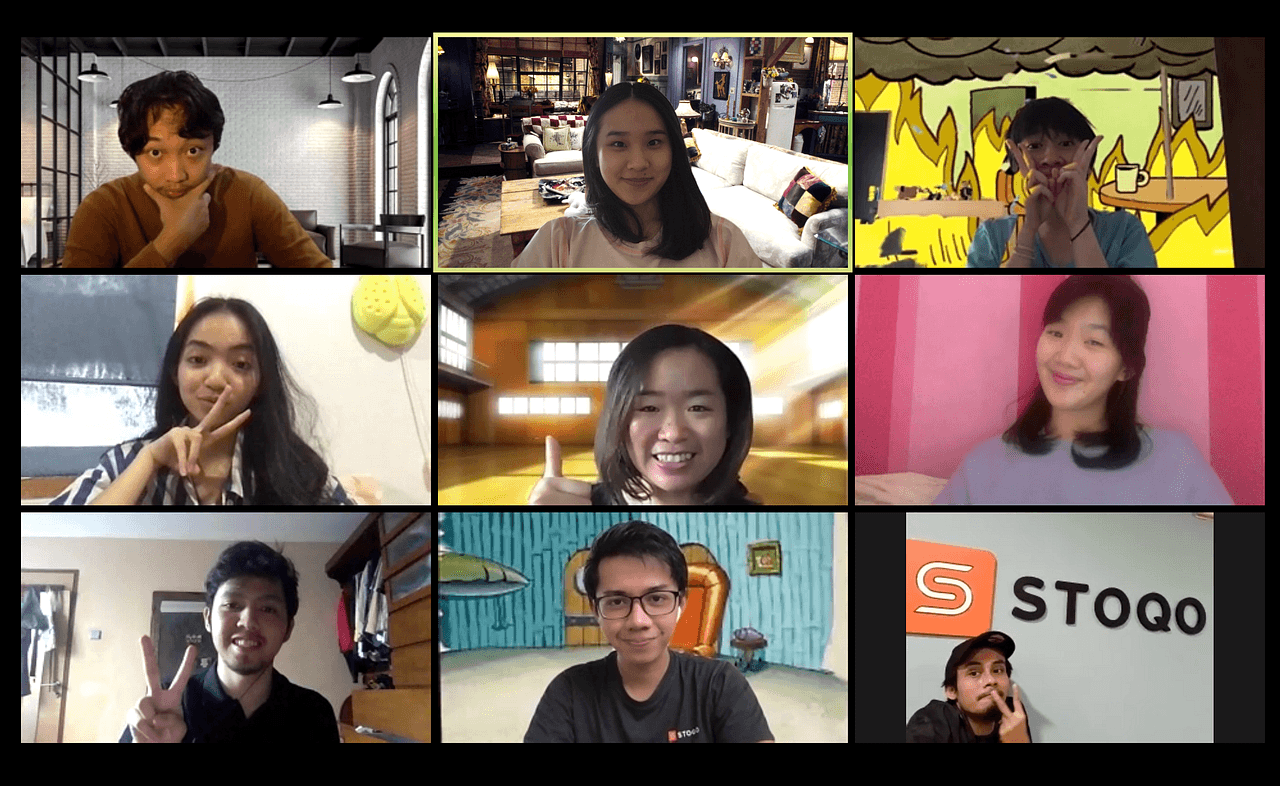
The culture felt different from my previous experience. Working hours were flexible, people were trusted to manage their responsibilities, and the team asked what I expected from the internship before deciding where I could contribute. After an onboarding project, I worked on a pricing dashboard, supported several research efforts, and eventually led a research project of my own.
Communication is part of the design work
I was naturally shy, especially in a new environment. My first instinct when I was stuck was to keep working alone until I found the answer. Sometimes that persistence helped; other times it quietly slowed the project down.
I eventually adopted a simple rule: if I had been blocked for more than thirty minutes, I would ask for help. That habit made my work faster, but more importantly, it taught me that asking a precise question is a professional skill—not an admission of failure.
Frequent presentations also pushed me to explain design decisions in the language of the people listening. A designer can understand every detail of a solution and still fail to move a project forward if the reasoning is not clear to product, operations, or other stakeholders.
If I had been blocked for more than thirty minutes, I would ask for help.
Research also means running the project
Leading a research project changed my understanding of ownership. The work was not limited to writing interview questions and synthesizing findings. I had to prepare the plan, coordinate logistics, keep people informed, and make sure the output was useful to the team.
I struggled at first because I had never owned that entire chain. With guidance from my mentor, I learned to break the work into smaller decisions and make progress visible. The research produced new insights, but the larger lesson was that good research depends on good operations.
Critique works when everyone contributes
The design team held critique sessions called Show & Tell. What stayed with me was not the format, but the atmosphere: people were encouraged to offer constructive feedback regardless of seniority. The work belonged to the team, so improving it was a shared responsibility.
Over time I became better at separating feedback about the work from feedback about me. I also learned that useful critique is specific, grounded in an objective, and offered with enough care that the other person can act on it.
Flexibility only works with accountability
STOQO trusted people to manage their own schedules. Because my commute crossed Jakarta, I often arrived around 11 a.m. and stayed until roughly 7 p.m. Avoiding the worst traffic gave me more energy, but it also removed the excuse of a rigid schedule: I was responsible for planning my time and delivering what I had committed to.
That freedom taught me a version of time management that was less about filling a calendar and more about making realistic promises, communicating early, and protecting the time needed to do the work well.
What stayed with me
I entered STOQO hoping to become a stronger designer. I left with a broader definition of the job. Design was research, presentation, project coordination, critique, and personal responsibility—all in service of helping a team make a better decision.
I am grateful to the mentors, colleagues, and design team who gave me room to make mistakes and enough trust to learn from them. That combination of support and ownership shaped how I approach work long after the internship ended.